
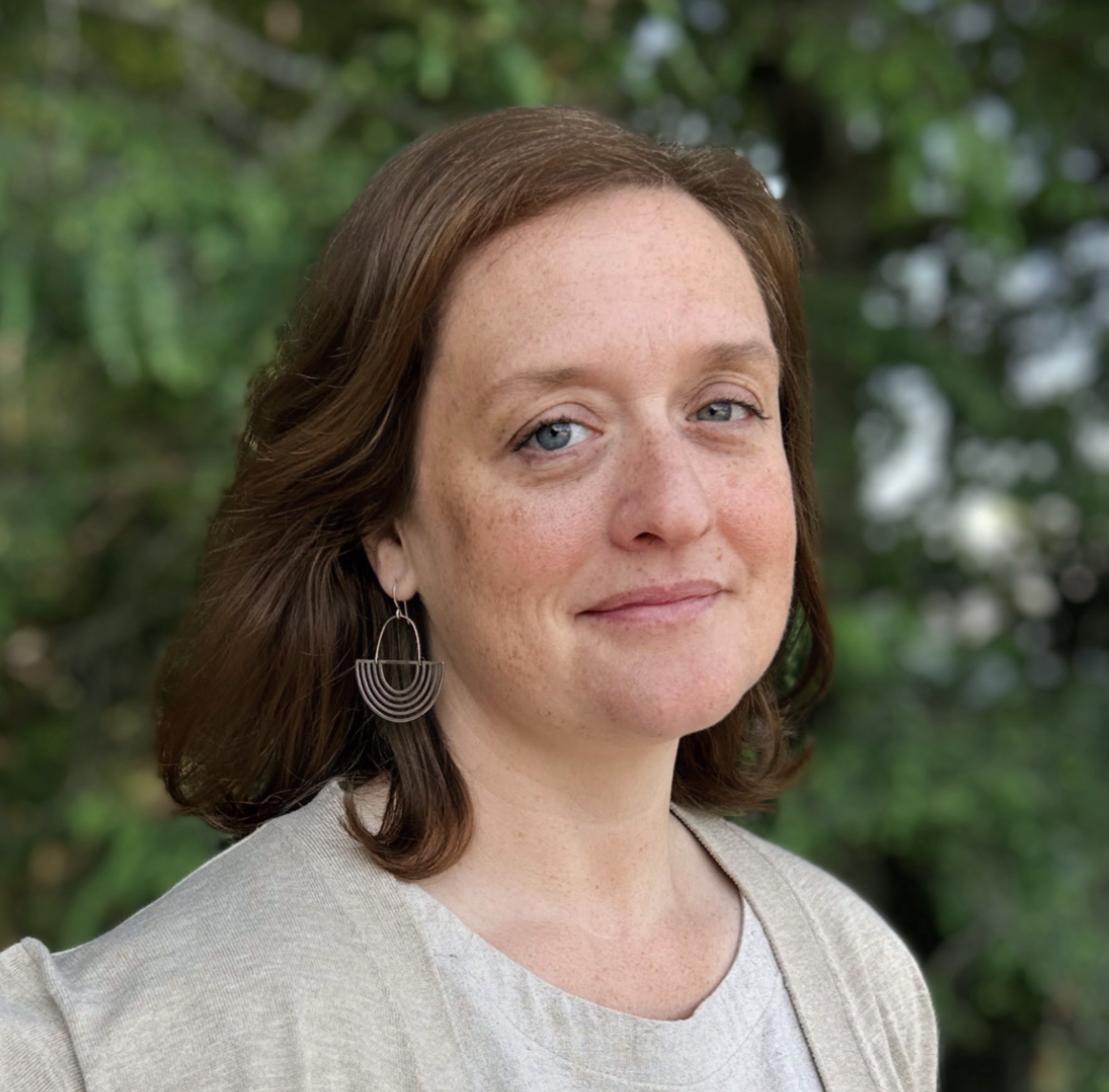
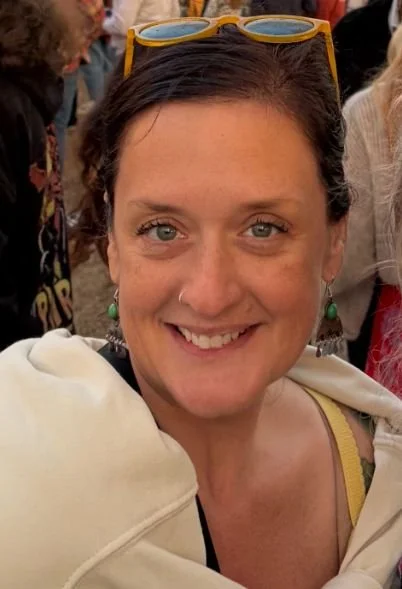
Kate Perrin
LCSW (she, her)
Biography:
Kate is a Maine-based entrepreneur turned trauma therapist who brings equal parts lived experience, clinical rigor, and hard-earned wisdom to her work. She draws from a life deeply lived alongside a strong foundation in clinical knowledge rooted in perpetual learning. Kate is a subject matter expert in the neurobiology of trauma and its cumulative effects on the mind–body system, with a particular interest in how unprocessed experience shapes a person's behavior, relationships, and self-concept.
Her clinical trajectory led her to somatic and neuro-somatic approaches, recognizing that insight alone is rarely sufficient for lasting change. Kate helps clients reconnect with themselves- and the lives they want to be living- through radical acceptance, nervous system regulation, and full embodiment. She values tangible outcomes in the healing process for clients and emphasizes integration of mind and body so they function in alignment rather than in opposition or isolation. Her therapeutic style is direct yet deeply compassionate; she thoughtfully identifies blind spots with care, respect, and a clear focus on forward movement in the work.
Kate works best with clients who are motivated for meaningful change, curious about their inner world, and willing to tolerate some discomfort in service of growth.
Specializations:
Complex trauma
Dissociative disorders
Alexithymia
Over Intellectualization
Education:
BA Criminology, University of Southern Maine
MSW Masters of Social Work, University of New England
Special Interests:
Kate values her time outside of her clinical work to reset her own nervous system through hot yoga, time by the Royal River, and finding the best nature sauna experiences here in New England.
Modalities:
BrainSpotting
Experiential Therapy
Somatic Interventions
Narrative Therapy